Auto screw feeder machine precautions and suggestions for quality inspection process
Automation in manufacturing has revolutionized how industries operate, significantly enhancing efficiency, precision, and consistency. One key innovation in this space is the auto screw feeder machine, a system designed to streamline the process of feeding screws into various assemblies. At HAOLIMAC, we specialize in delivering high-quality automated machinery, including auto screw feeders, that improve production lines and reduce manual labor. While these machines offer substantial advantages, it’s essential to observe certain precautions and implement a rigorous quality inspection process to ensure their optimal performance and the quality of the final product.
This article will outline the critical precautions to consider when using an auto screw feeder machine and offer suggestions for an effective quality inspection process.
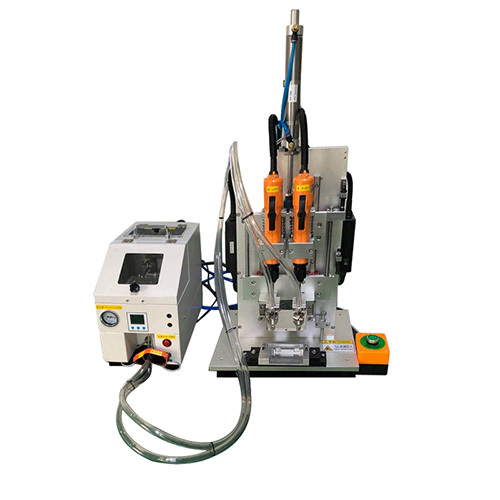
An auto screw feeder machine is an automated tool designed to supply screws in an efficient and continuous manner for assembly tasks. The machine selects screws from a hopper or feeder, positions them in a precise location, and ensures they are inserted correctly. This automation drastically reduces the time and effort associated with manual screw feeding, making it invaluable in industries like electronics, automotive, and appliance manufacturing.
While these machines offer numerous benefits, they must be operated correctly to avoid issues that can arise from incorrect usage or insufficient quality control.
Precautions When Using an Auto Screw Feeder Machine
To ensure the effective operation of an auto screw feeder machine and avoid any disruptions in the production line, it is important to follow these precautions:
1. Use the Correct Screws
One of the most critical factors in maintaining the efficiency of an auto screw feeder machine is using the correct screws. The machine is typically designed to work with specific screw sizes and types. Using screws that do not match the machine’s specifications can cause jams, misalignment, or damage to the machine. It is vital to verify the compatibility of the screws with the machine and confirm their dimensions and specifications before running the equipment.
HAOLIMAC offers customization options for our auto screw feeder machines to accommodate different types of screws, ensuring that you have the right tool for your assembly needs.
2. Regular Maintenance and Cleaning
Like any piece of machinery, regular maintenance is necessary to keep an auto screw feeder machine running smoothly. Over time, dust, debris, and oil from the screws can accumulate in the feeder, leading to jams or malfunction. It’s essential to clean the machine regularly to avoid these issues.
Check the manufacturer’s guidelines for cleaning and maintenance schedules, and ensure that moving parts are lubricated as needed. Regular inspections of the machine for wear and tear can also prevent unexpected breakdowns that could interrupt production.
3. Training for Operators
While the auto screw feeder machine automates much of the screw feeding process, it still requires skilled operators to ensure its proper operation. Operators should be trained to handle the machine correctly, troubleshoot minor issues, and perform routine maintenance.
HAOLIMAC provides comprehensive training for operators to familiarize them with the machine’s functionality and safety protocols. Proper training not only improves the machine’s efficiency but also helps prevent accidents and misuse.
4. Monitor Screw Quality
Before feeding screws into the machine, it’s important to inspect their quality. Screws that are damaged, deformed, or of inconsistent sizes can cause jams or malfunctions in the feeder. Poor-quality screws may also lead to defects in the assembled product.
Screws should be checked for uniformity, cleanliness, and correct size. Ensuring that only high-quality screws are fed into the machine will reduce downtime caused by jams or misfeeds.
5. Ensure Proper Machine Calibration
The auto screw feeder machine should be properly calibrated to match the specific screw size and product being assembled. Misalignment or incorrect settings can result in loose or over-tightened screws, potentially damaging the product or leading to production errors.
Calibration checks should be part of the routine maintenance schedule, especially when transitioning between different screw types or assembly tasks. HAOLIMAC machines are designed for easy calibration, allowing for quick adjustments to ensure precise and accurate screw feeding.
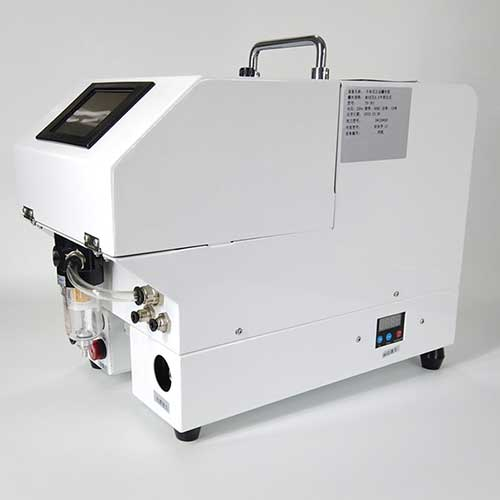
HAOLIMAC automatic screw feeder — machine detail
Suggestions for Quality Inspection Process
An effective quality inspection process is essential for maintaining the performance of the auto screw feeder machine and ensuring the overall quality of the product. Below are some key suggestions to optimize the quality inspection process:
1. Pre-Operational Checks
Before starting the machine, operators should conduct pre-operational checks to verify that the machine is set up correctly. These checks include ensuring that the proper screws are loaded, that the machine is calibrated to the correct settings, and that all moving parts are functioning as intended.
Additionally, operators should inspect the feeding mechanism for any debris or wear that could affect performance. HAOLIMAC recommends a brief checklist before starting each production cycle to catch potential issues early.
2. Monitor the Tightening Torque
Torque is a critical factor in screw fastening, as improper torque can lead to product failure. Too much torque can damage the screw or the product, while too little torque may result in loose screws. Automated screw feeder machines often come equipped with torque monitoring systems, but manual checks should also be performed periodically.
During the inspection process, torque values should be measured and compared to the required specifications. Any deviations should be corrected immediately to ensure product quality.
3. Random Sample Testing
To ensure that the screws are properly fastened and aligned, it’s important to perform random sample testing throughout the production process. A quality control inspector should randomly select products from the assembly line and inspect them for correct screw placement, torque, and overall assembly integrity.
HAOLIMAC encourages manufacturers to establish a random sampling protocol, inspecting a set percentage of products to ensure consistent quality across the entire batch.
4. Post-Operation Inspection
At the end of a production run, conduct a thorough inspection of the machine to identify any wear or issues that may have arisen during operation. Components such as screw feeders, vibratory bowls, and guide rails should be checked for damage or misalignment. Keeping a post-operation inspection log will help track the machine’s performance over time and identify potential problems before they escalate.
5. Routine Data Collection
Collecting and analyzing data from the screw feeder machine’s operation can provide valuable insights into the performance of both the machine and the assembly process. By monitoring key metrics such as cycle times, error rates, and torque values, manufacturers can identify areas for improvement and optimize the assembly process for greater efficiency.
Modern machines, such as those offered by HAOLIMAC, often feature built-in data collection tools, allowing manufacturers to track these metrics in real-time.
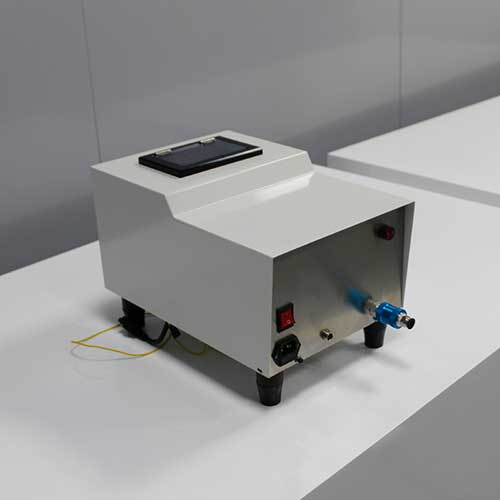
HAOLIMAC automatic screw feeder — rear view
Conclusion
The auto screw feeder machine offers numerous benefits, including increased productivity, precision, and reduced labor costs. However, to fully leverage these advantages, it is essential to take precautions in machine operation and implement a robust quality inspection process. Regular maintenance, proper calibration, and thorough training for operators are key to ensuring smooth performance and avoiding costly downtimes.
At HAOLIMAC, we are committed to providing top-tier auto screw feeder machines that integrate seamlessly into your production line, delivering reliability and efficiency. By following the precautions and quality inspection suggestions outlined in this article, you can ensure that your screw feeding process is optimized for success, ultimately enhancing your production quality and output.
HAOLIMAC is a company specializing in the development and production of automatic screw fitting machines, with a team of more than 50 R&D and production staff. We undertake all kinds of customized screw fitting projects, such as plastic, zinc-plated, silver-plated and even gold-plated screws. We welcome inquiries from companies in need.
HAOLIMAC is committed to a lifetime warranty and permanent after-sales support.